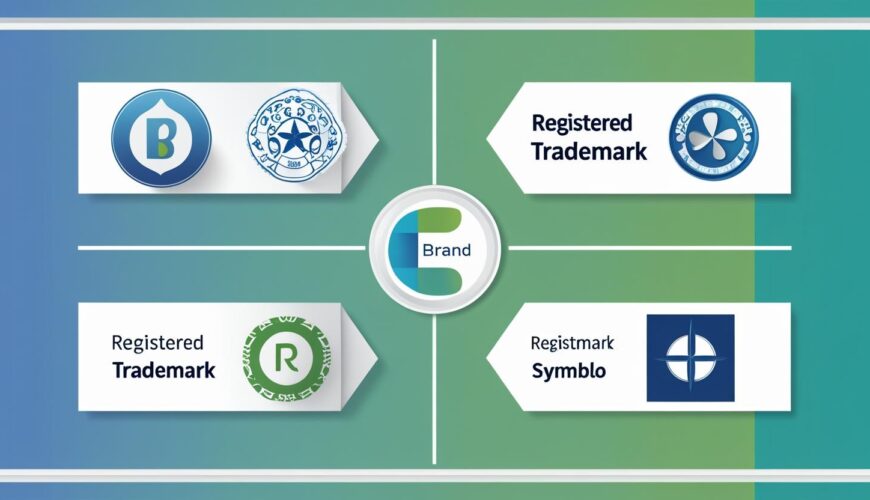
In today’s competitive marketplace, understanding the concepts of brand and trademark is essential for business owners, marketers, and legal professionals alike. Though the terms are often used interchangeably, a brand and a trademark are not the same. This article will help you clearly understand the difference between a brand and a trademark with relevant examples and legal context.
What is a Brand?
A brand refers to the overall image, identity, and perception of a company, product, or service in the minds of consumers. It includes visual elements like logos, slogans, and colors, as well as emotional aspects such as trust, loyalty, and customer experience.
Key Features of a Brand:
- Represents identity and personality
- Built over time through marketing and customer interactions
- Can include product name, packaging, logo, tagline, tone of voice, etc.
Example of a Brand:
Coca-Cola is a globally recognized brand. The red and white color scheme, distinctive bottle design, script logo, and advertising slogans like “Open Happiness” all contribute to the Coca-Cola brand. These elements collectively create a consumer experience and perception.
What is a Trademark?
A trademark is a legal protection given to a symbol, word, phrase, design, or combination thereof that identifies and distinguishes the source of goods or services. A trademark is registered with the relevant governmental authority, such as the Intellectual Property Organization of Pakistan (IPO Pakistan).
Key Features of a Trademark:
- Offers legal protection
- Prevents unauthorized use by competitors
- Can be a name, logo, sound, color, shape, etc.
- Must be distinctive and not generic
Example of a Trademark:
The Coca-Cola script logo is also a registered trademark. This means no other beverage company can use a similar logo, name, or design that might confuse customers or dilute the identity of the original Coca-Cola product.
Major Differences Between Brand and Trademark
| Feature | Brand | Trademark |
|---|---|---|
| Definition | Overall perception and identity of a product or company | Legal protection of specific identifying elements |
| Scope | Broader (emotional connection, reputation, design, etc.) | Specific (name, logo, slogan, etc.) |
| Legal Protection | Not automatically protected | Legally protected upon registration |
| Ownership | Can be intangible and shared across many assets | Owned legally by a specific entity |
| Purpose | Builds consumer loyalty and recognition | Prevents misuse and secures brand identity |
| Registration Required? | No | Yes, for legal protection |
Brand vs Trademark: A Real-Life Example
Imagine a startup called “FreshSip” that sells flavored mineral water.
- The brand includes the company’s name “FreshSip”, its stylish bottle design, minty aroma, and eco-friendly image promoted through marketing.
- The trademark could be the name “FreshSip”, the logo, and the tagline “Sip Fresh, Live Fresh”—registered with the IPO to ensure no other business can legally use them.
Without trademark registration, even a well-established brand like FreshSip could face copycats, legal disputes, and loss of market identity.
Why It’s Important to Understand the Difference
- Brand Building is a Marketing Strategy
A strong brand helps companies connect emotionally with consumers, building trust and loyalty. - Trademark is a Legal Asset
A registered trademark is a legal tool that grants exclusive rights and can be enforced in court. - Businesses Need Both
A company must focus on building a strong brand while also securing it through trademark registration to avoid infringements.
Frequently Asked Questions (FAQs)
Q1: Can a brand exist without a trademark?
Yes. A business can build a brand without registering a trademark, but it won’t have legal protection in case of imitation or misuse.
Q2: Is logo a brand or trademark?
A logo is a part of a brand, but when registered with the appropriate authority, it becomes a trademark.
Q3: What happens if someone copies my brand?
Without a registered trademark, it can be difficult to take legal action. A trademark gives you the right to sue for infringement and claim damages.
Q4: Can colors or sounds be trademarked?
Yes. Under certain conditions, unique colors, sounds, and even smells can be trademarked if they uniquely identify the source of a product or service.
Legal Help for Trademark Registration in Pakistan
If you’re running a business in Pakistan and want to protect your brand identity, trademark registration is a crucial step. At The Lawyers, we specialize in:
- Trademark Search & Registration
- Responding to Office Objections
- Trademark Renewals and Oppositions
- Enforcement and Legal Action Against Infringement
📞 Call us now: +92-0336-6050615
📧 Email: info@thelawyers.pk
Secure your brand today before someone else does!